
 Kristen Smith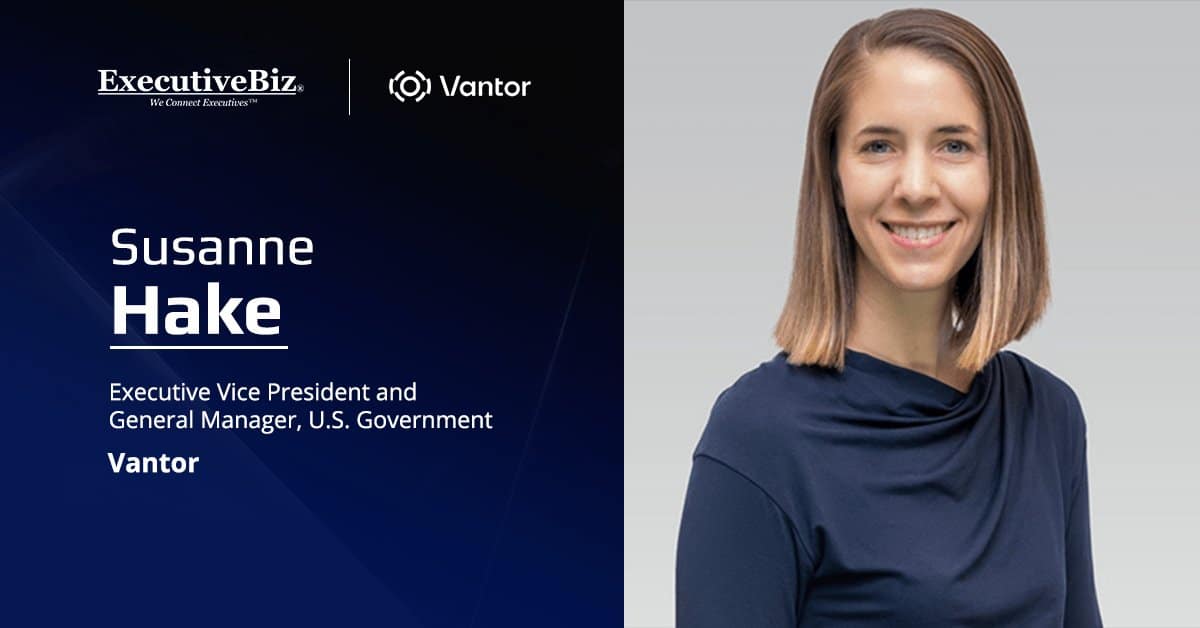
Windward and Vantor have teamed up to improve maritime domain awareness by integrating AI-driven analytics with space-based surveillance capabilities.
Vantor said Wednesday the collaboration combines its Sentry persistent monitoring system with Windward’s Maritime AI platform to deliver continuous, automated tracking of maritime activity worldwide. The integration is designed to address longstanding gaps caused by fragmented sensor systems and disconnected intelligence workflows.
“Ships can turn off AIS, change behavior, and effectively disappear,” said Susanne Hake, executive vice president and general manager for U.S. government at Vantor, in a LinkedIn post. “By combining our space-based monitoring with Windward’s maritime AI, we can continue tracking vessels even when they go dark.”
How Does the Integration Improve Maritime Domain Awareness?
The combined system links detection, identity verification and behavioral analysis into a single intelligence loop, reducing the need for analysts to manually correlate data across multiple sources such as the automatic identification system, radio frequency signals, synthetic aperture radar and electro-optical imagery.
Vantor’s Sentry system automates multi-sensor tasking, coordinating high-resolution imaging and radar data collection to move from detection to confirmation without manual intervention. It also applies AI-driven fingerprinting to establish persistent vessel identities based on imagery, enabling operators to maintain vessel monitoring even when tracking systems are disabled.
When integrated into Windward’s platform, these capabilities create a unified operational picture that enables continuous monitoring and anomaly detection across both maritime activity and port infrastructure.
How Does the Partnership Align With Vantor’s Strategy?
The Windward partnership aligns with Vantor’s broader push to deliver persistent, real-time spatial intelligence by integrating satellite data, AI analytics and multi-domain sensing.
The company recently outlined plans to expand its satellite constellation with Vantage and Pulse systems, designed to combine high-resolution imaging with high-frequency revisit rates. According to Hake, the architecture is intended to shift intelligence collection from periodic snapshots to continuously updated views of activity, enabling faster detection and decision-making.
Vantor also enhanced its TensorGlobe platform through its partnership with Google, bringing Earth AI imagery models into classified environments. The effort supports maritime surveillance, infrastructure monitoring and change detection, among other applications.
In February, Vantor secured a National Geospatial-Intelligence Agency contract under the Luno B program to provide AI-based change detection insights to support the agency’s mapping and intelligence missions worldwide. It was also awarded a potential $217 million contract to support the U.S. Army’s One World Terrain program.