
 Elodie Collins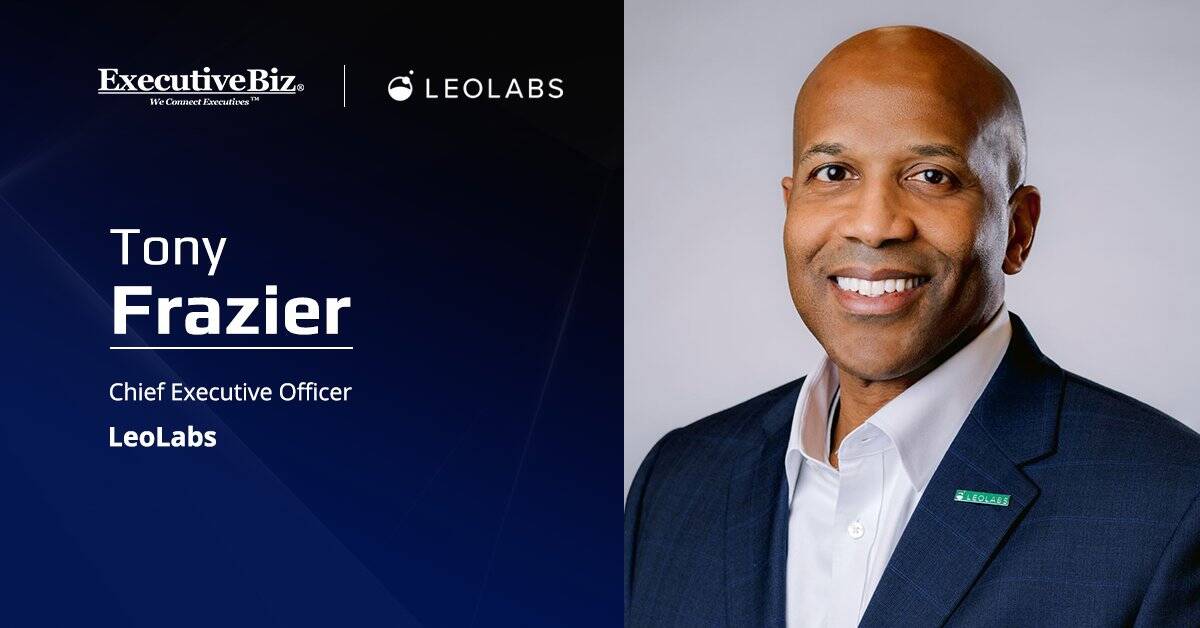
LeoLabs has introduced an artificial intelligence-powered threat detection and characterization system for national security missions.
The company said Wednesday that LeoLabs Delta is designed to enable operators to protect space assets against various threats as orbital activity grows and becomes more complex.
“Today’s dynamic threats — from advanced proximity operations that mirror ‘dogfighting’ to obscured satellite deployments — require more than passive surveillance,” Tony Frazier, CEO of LeoLabs and a six-time Wash100 Award winner. “With Delta, we’re giving U.S. and Allied operators the ability to not only see what’s happening in orbit, but to also understand what it means and act when it matters most.”

AI is increasingly being integrated into mission-critical operations and environments. At the Potomac Officers Club’s 2026 Digital Transformation Summit on April 22, government, defense and industry leaders will discuss how AI is changing mission execution and learn strategies for operationalizing advanced technologies at scale without compromising safety and security. Get your tickets here.
How Can LeoLabs Delta Strengthen Space Security?
According to LeoLabs, Delta supports real-time threat monitoring, intelligence gathering and protection of space-based assets. It utilizes the company’s radar network and object catalog to track mission-relevant objects, detect anomalies and analyze patterns of activity in orbit and translate data into actionable alerts and insights.
The new product will replace LeoGuard, a platform that provides space domain awareness capabilities. Compared to LeoGuard, Delta offers more comprehensive, actionable intelligence to meet the demands of the next era of space security.
“Delta delivers the clarity and speed Allied operators need to make confident decisions, defend critical assets and strengthen collective security,” Maher Khoury, senior vice president of international sales at LeoLabs, shared.
What Services Does LeoLabs Provide US Government Agencies?
LeoLabs provides orbital intelligence data, tracking services and radar-based observations to support U.S. government space operations.
The company delivers data to NASA under a space act agreement to support conjunction assessments, helping predict satellite positions and avoid collisions in orbit. It also provides tracking data, object state vectors and maneuver detection information to the Department of Commerce and the U.S. Space Force to support space domain awareness and traffic coordination efforts.
LeoLabs also supports the Golden Dome of America, an initiative to build an advanced missile defense system. In September, the company participated in demonstrations to track orbital maneuvers and hypersonic reentry.