
 Kristen Smith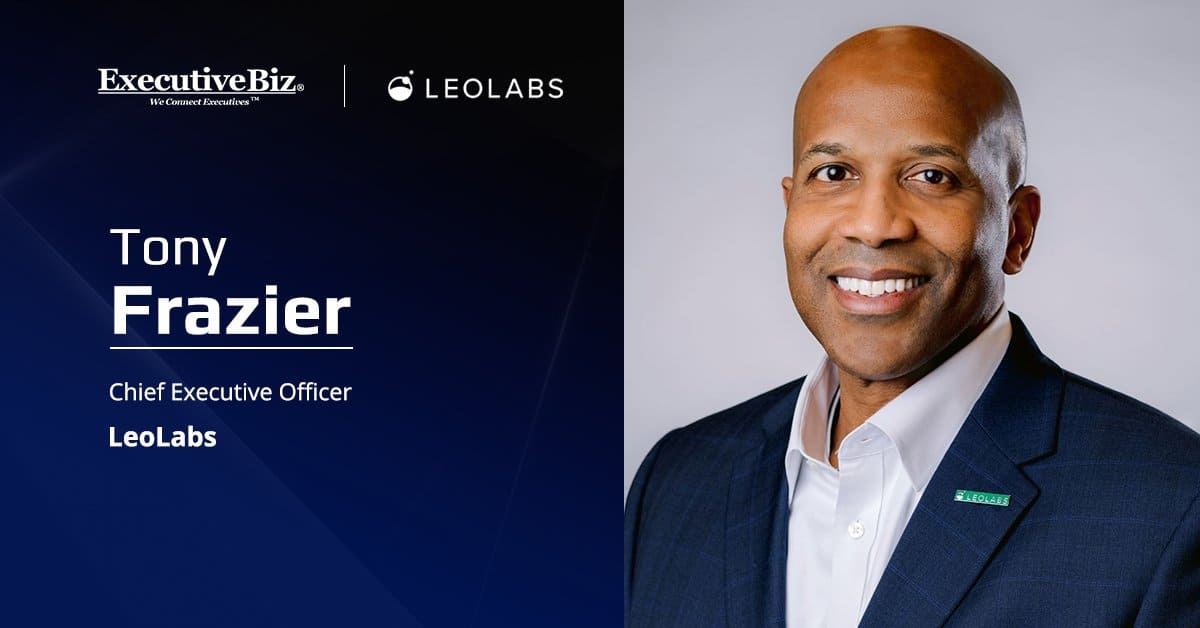
LeoLabs has secured a contract to provide its catalog of space objects to the Department of Commerce’s Office of Space Commerce, or OSC, and the U.S. Space Force’s Joint Commercial Operations cell, or JCO.
How Will OSC and JCO Use LeoLabs’ Orbital Intelligence Data?
Under the contract, LeoLabs will license access to information about nearly 25,000 tracked objects in low Earth orbit and deliver radar observations, object state vectors and maneuver detection data into the Space Force Unified Data Library, according to a press release published Tuesday. OSC will assess how the commercial catalog can support its Traffic Coordination System for Space, while the JCO will apply the data to space domain awareness requirements.
“We are excited to demonstrate how LeoLabs can take on critical missions that until recently were exclusively supported by the U.S. government,” said Tony Frazier, LeoLabs CEO and a six-time Wash100 Award recipient.
Awarded in September, the contract marks the first jointly funded federal acquisition of LeoLabs’ catalog for space safety and security missions across multiple agencies.
The agreement supports ongoing efforts to integrate commercial technologies into national space operations, as directed by a presidential directive that prioritizes cost-effective procurement. It follows a year of expanding government demand for commercial orbital intelligence. According to LeoLabs, its U.S. government bookings have grown by over 180 percent since 2024.
What Other Government Programs Are Driving LeoLabs’ Growth?
Earlier this year, the Department of Commerce selected the company for a pathfinder effort addressing elevated collision risks immediately after launch. That effort was followed by a NASA Space Act Agreement to evaluate how LeoLabs data can support new conjunction assessment missions and integrate with other government data sources.
LeoLabs also secured two SpaceWERX awards to accelerate radar development. LeoLabs is currently building an ultra-high frequency Seeker radar in the Indo-Pacific under a Strategic Funding Increase award. The company is also working under a Tactical Funding Increase award to deliver a software upgrade for the Scout mobile radar system, a containerized sensor designed for rapid deployment. This upgrade aims to improve Scout’s foreign launch detection and tracking performance.