

 Miles Jamison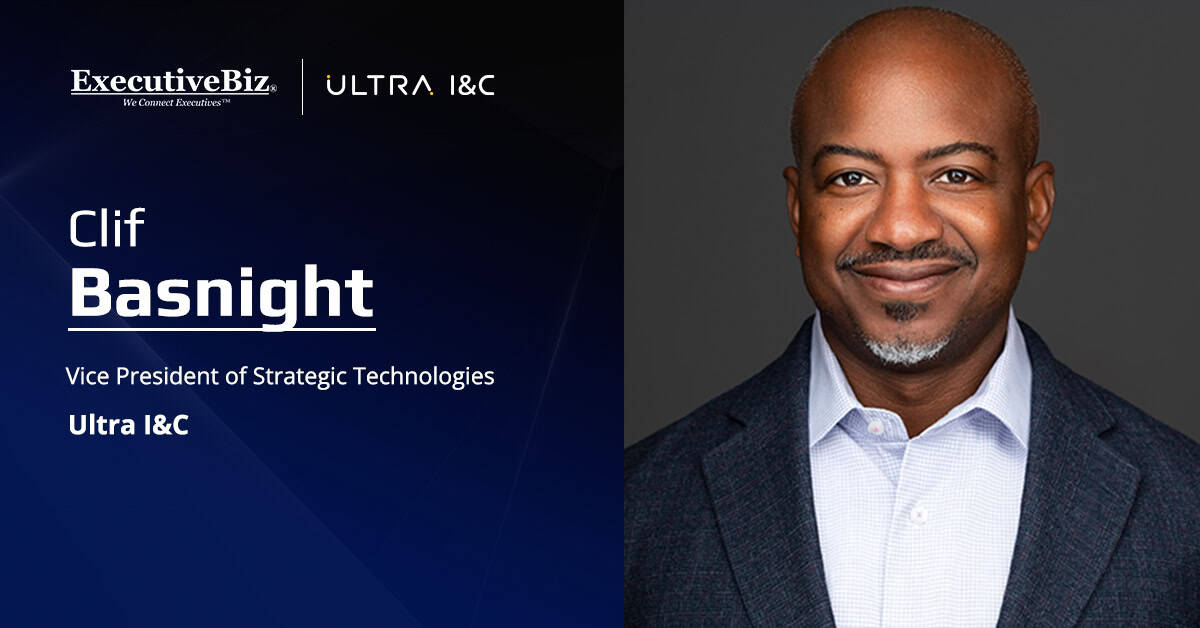
Clif Basnight, vice president of strategic technologies at Ultra Intelligence & Communications, has outlined why hyperconnectivity is becoming central to future warfare.

Register for the Potomac Officers Club’s 2026 Artificial Intelligence Summit on March 18 to explore how AI, machine learning and automation are transforming government and military operations.
In an article published Thursday, Basnight described a shift toward military operations in which autonomous systems and human warfighters operate as part of a continuously connected network, underscoring the need for “secure, omnipresent battlefield communications.”
Why Is Hyperconnectivity Critical to Future Warfare?
Emerging technologies such as artificial intelligence, autonomous systems and robotics are reshaping how military forces operate. According to Basnight, these capabilities rely on a secure and resilient communications infrastructure to function effectively. Hyperconnectivity would enable distributed forces to share mission-critical data and coordinate operations across domains in real time, enhancing their situational awareness.
What Challenges Threaten Battlefield Connectivity?
At the same time, building a hyperconnected battlespace presents significant challenges. Electronic warfare, cyber operations and targeted attacks on network infrastructure pose persistent threats to communications. In addition, advanced sensors and autonomous platforms generate large volumes of data, placing increased demands on network bandwidth, latency and resilience.
What Actions Are Being Urged?
In response, defense stakeholders are calling for accelerated investment in next-generation communications technologies to ensure warfighters, sensors and effectors function within a unified and resilient network in contested environments. Recommended efforts include adopting technologies such as quantum encryption, multi-channel radio systems and AI-enabled threat detection tools. Basnight also emphasizes the importance of closer coordination among military planners, communications engineers and cybersecurity specialists.