
 Kristen Smith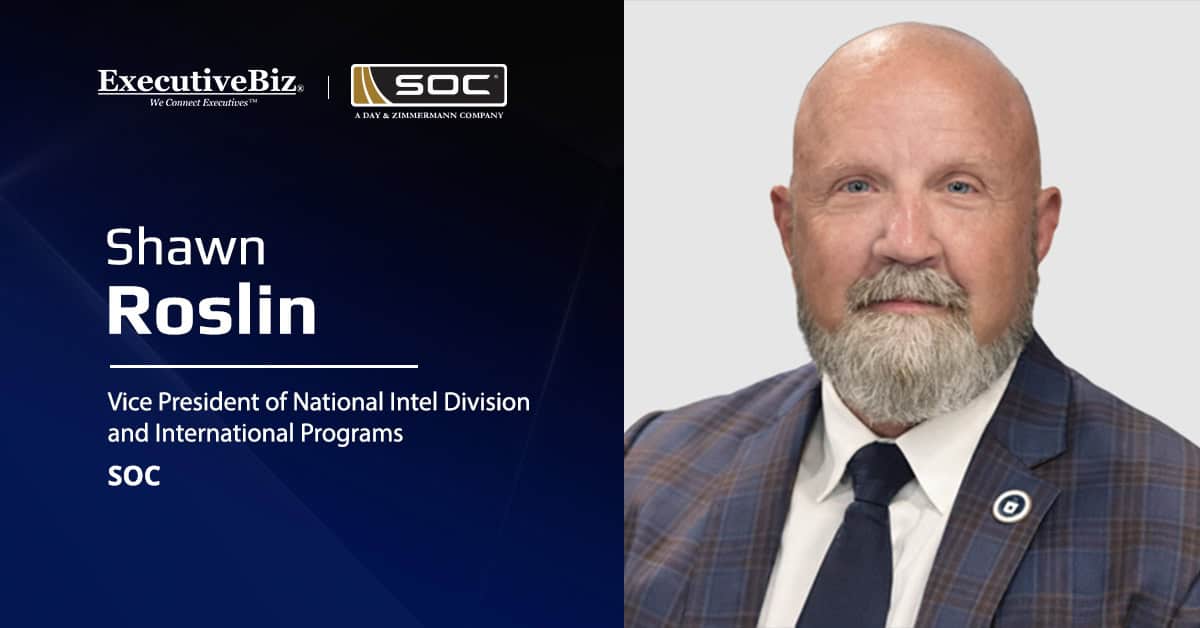
- AI-generated deepfakes are becoming a growing national security threat, fueling misinformation and eroding trust in institutions, according to SOC’s Shawn Roslin
- Roslin pointed to recent incidents, including a fake voice resembling Secretary of State Marco Rubio used to contact foreign officials and U.S. political leaders
- The executive warned of the “liar’s dividend,” where the spread of deepfakes lets people dismiss authentic evidence as fake
 Artificial intelligence-generated deepfakes are becoming an increasingly significant national security concern as the technology enables malicious actors to fabricate realistic audio, video and images that can influence public opinion, spread misinformation and undermine trust in institutions, according to a new thought leadership piece from SOC.
In a blog post published Thursday, Shawn Roslin, vice president of SOC’s national intelligence division and international programs, said deepfake technology has evolved from a novelty into a tool used for information warfare, fraud and strategic deception.
The deepfake threat Roslin describes underscores why AI has become a central focus across the Department of Homeland Security, whose strategic priorities — backed by a FY26 budget increase of 65 percent — span AI, cyber defense and operational capabilities. Register now for the Potomac Officers Club’s 2026 Homeland Security Summit on Nov. 12 to hear directly from DHS leadership on how industry can help address emerging challenges. The event convenes agency decision-makers for keynotes, panel discussions and industry-led Q&A sessions.
How Are Deepfakes Affecting National Security?
Roslin said the growing sophistication of AI-generated media is making it more difficult to distinguish authentic content from manipulated material, creating opportunities for adversaries to spread false narratives and impersonate public officials.
He pointed to several recent incidents involving AI-generated impersonations, including a 2025 case in which a fake voice resembling Secretary of State Marco Rubio was reportedly used to contact foreign officials and U.S. political leaders. Another incident involved the compromise of White House Chief of Staff Susie Wiles’ phone, which was used to send messages and place calls in her name.
Roslin also cited a 2024 robocall campaign that used an AI-generated version of former President Joe Biden’s voice to discourage voter participation in New Hampshire’s presidential primary.
According to the executive, such incidents demonstrate how AI-generated content can be used to manipulate public perception, disrupt political processes and erode confidence in democratic institutions.
Why Is Trust Becoming a Growing Concern?
Roslin highlighted what experts call the “liar’s dividend,” a phenomenon in which individuals can dismiss authentic evidence as fabricated due to the prevalence of deepfake technology.
The executive cited industry data showing a sharp rise in deepfake activity in recent years and referenced research indicating that many individuals struggle to reliably distinguish AI-generated content from genuine media.
Federal agencies have previously warned about the risks posed by synthetic media. In 2023, the National Security Agency, the FBI, and the Cybersecurity and Infrastructure Security Agency issued joint guidance outlining how deepfakes could be used to impersonate executives, compromise organizations and gain access to sensitive information.
What Can Organizations Do?
Roslin said addressing the growing threat will require cooperation among government agencies, technology providers, media organizations and the public.
As AI-generated content becomes more realistic and accessible, he argued that the ability to verify information and identify manipulated media will become increasingly important to protecting public trust and national security.
What Is SOC?
SOC, a Day & Zimmermann company, provides security, logistics and mission support services to government and commercial customers. In 2025, the company secured a position on the U.S. Army’s potential $10.3 billion Guard and Protective Security Services contract, enabling it to compete for task orders supporting security missions through 2035.