

 Jane Edwards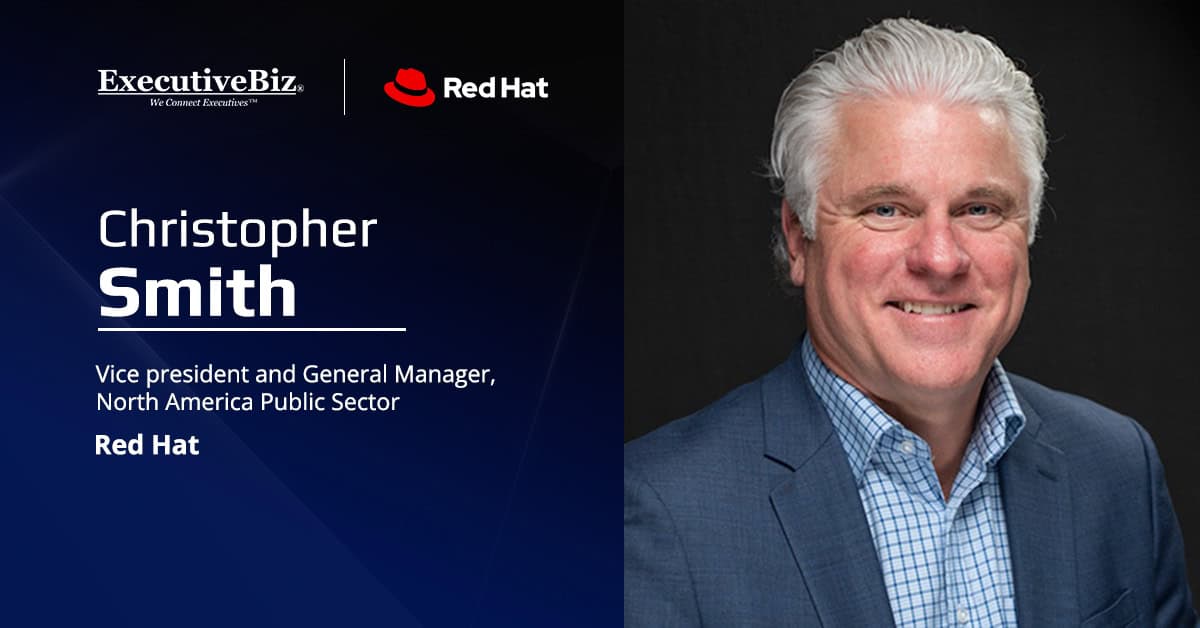
- Red Hat and Microsoft’s application platform has secured IL5 certification
- The designation covers national security systems and mission-critical data
- The certification follows IL4 approval in July 2024
The Department of War has certified Microsoft Azure Red Hat OpenShift for Microsoft Azure Government at Impact Level 5, or IL5, enabling government agencies and regulated industries to develop and operate containerized applications that handle highly sensitive workloads.
Red Hat said Thursday the application platform obtained IL4 certification in July 2024.
What Is Azure Red Hat OpenShift for Microsoft Azure Government?
Azure Red Hat OpenShift for Microsoft Azure Government is a jointly operated application platform that Red Hat and Microsoft co-developed for U.S. government agencies. Introduced in 2023, the service gives agencies control over data access and data location and the means to apply fixes for known vulnerabilities.
In addition to IL4 and IL5, the platform holds several other security and compliance certifications, including Federal Risk and Authorization Management Program High authorization, International Traffic in Arms Regulations, Defense Federal Acquisition Regulation Supplement, Internal Revenue Service 1075 and Criminal Justice Information Services.
What Is IL5?
IL5 is a DOW cybersecurity classification that sets the security controls for sensitive, mission-critical information and systems in cloud environments. It covers higher-sensitivity controlled unclassified information, unclassified national security systems and mission-critical data. According to Red Hat, the platform passed audits of critical security controls to earn the designation.
What Did Red Hat & Microsoft Officials Say About the IL5 Certification?
Chris Smith, vice president and general manager of North American public sector at Red Hat, said government agencies, like enterprise IT organizations, aim to deliver innovation to users quickly but encounter operational obstacles when managing highly sensitive data. He noted that the platform addresses this issue by enabling agencies to speed up cloud-native application deployment while maintaining security across the full application lifecycle.
“By deepening our collaboration with Microsoft, we give public sector organizations the ultimate flexibility and choice to run mission-critical workloads in the environment that best fits their unique regulatory needs,” added Smith, a previous Wash100 awardee and chair of Executive Mosaic’s 4×24 Leadership Group 3.
Leigh Madden, vice president of national security at Microsoft, described the certification as a milestone in the company’s commitment to supporting mission-critical government workloads.
“This certification enables federal agencies to innovate faster with containerized applications while meeting the highest security standards for sensitive data,” Madden added.
How Has Red Hat Expanded Its Public Sector Offerings?
The IL5 certification builds on a series of compliance milestones for Red Hat’s cloud platforms serving government customers. Azure Red Hat OpenShift for Microsoft Azure Government became generally available in February 2023, allowing agencies to deploy workloads in a FedRAMP-compliant cloud environment.
Red Hat subsequently secured FedRAMP High authorization for Red Hat OpenShift Service on AWS GovCloud and Red Hat Insights, and the company later received FedRAMP High approval for its new Red Hat OpenShift Service on AWS offering, designed to offload compliance and infrastructure management for public sector customers.
Beyond compliance, Red Hat has pursued collaborations focused on AI in regulated environments. The company teamed up with Duality Technologies to help governments deploy sovereign AI, combining Duality’s privacy-enhancing technologies with Red Hat’s open hybrid cloud and confidential computing capabilities. Red Hat also partnered with LogicMonitor and IBM to integrate Edwin AI, Red Hat Ansible Automation Platform and IBM watsonx for automated detection and remediation across hybrid and multicloud environments.