

 Elodie Collins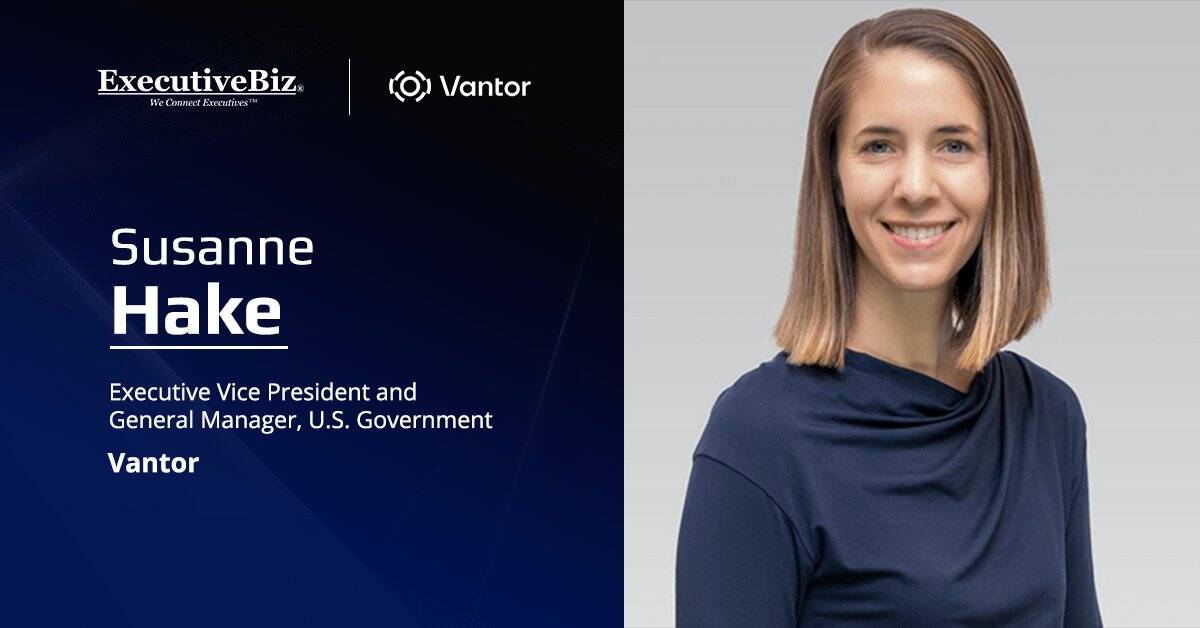
Artificial intelligence is turning satellites from mere collectors of data to providers of real-time insights, Susanne Hake, executive vice president and general manager for U.S. government at Vantor, told Via Satellite in an article published Tuesday.
The Vantor executive also shared that AI is driving the adoption of multi-domain intelligence in the geospatial market.
“Advances in technology now make real-time fusion of multi-source data a reality,” she explained.

Join industry and government leaders to discuss the evolving uses of AI and the technology’s impact in various sectors at the Potomac Officers Club’s 2026 Artificial Intelligence Summit on March 19. Secure your tickets to the GovCon networking event today.
What Is AI’s Impact on the Space Industry?
Hake was one of several experts interviewed for Via Satellite’s report identifying AI as one of the top technology trends in the space and satellite industry for 2026. She said government and commercial customers increasingly expect satellite providers to deliver more than raw imagery.
Hake expects to see a broader adoption of AI-driven geospatial intelligence platforms to support autonomous and defense operations and new partnerships and joint ventures within the industry to provide a combination of sensors, analytics capabilities and delivery platforms to consumers.
What Is the Role of NEI in the Space Industry?
The article also identified non-Earth imaging, or NEI, as a top trend for 2026. Hake described NEI as “eyes in space” and a “neighborhood watch,” allowing satellite operators to monitor other objects in space and reduce collision risk.
The executive added that NEI is “strengthening deterrence in a world where proximity operations, maneuvering, and modifications to spacecraft are becoming more common.”
What Is Vantor?
Vantor, formerly Maxar Intelligence, offers end-to-end spatial intelligence services. The company recently secured a contract with the U.S. Space Force to continuously track high-interest space objects that may change orbits or move in areas that ground-based sensor networks cannot monitor.