
 Kristen Smith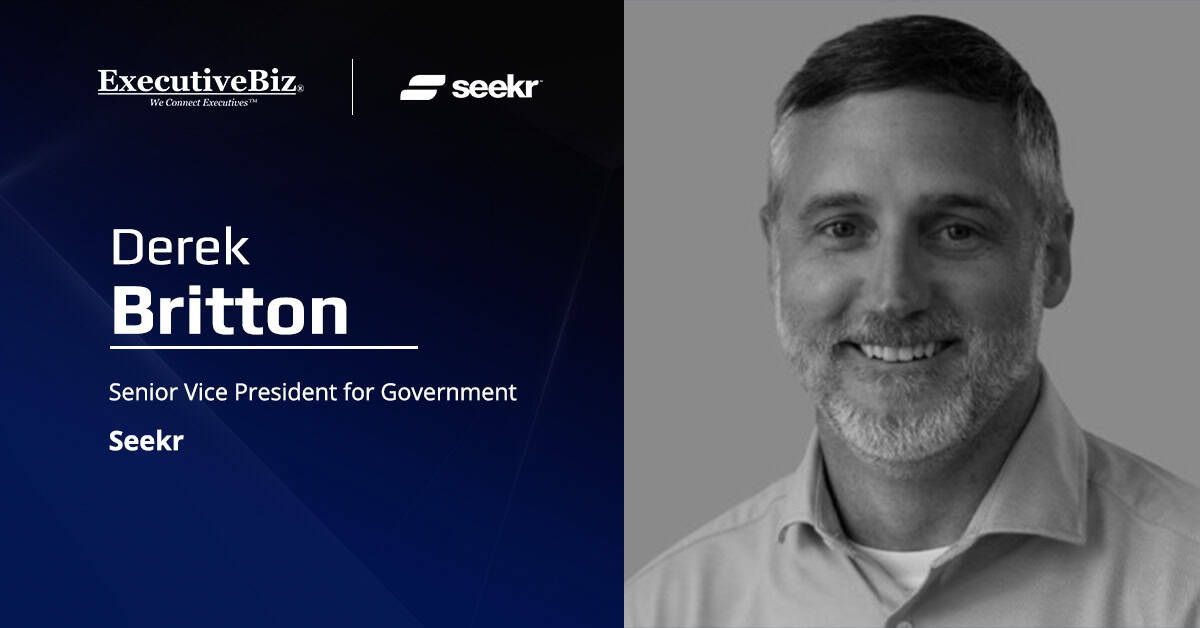
Seekr has rolled out SeekrGuard, a new evaluation and certification system designed for organizations deploying artificial intelligence in national security, critical infrastructure and other regulated environments.

Secure and auditable AI is becoming a program requirement, especially in national security environments. The 2026 Artificial Intelligence Summit on March 19 will bring together government and industry leaders to share how they are strengthening assurance, evaluation and real-world reliability in AI deployments. Save your spot to join the discussion.
What Problem Does SeekrGuard Address?
Seekr said Monday that the new product is designed to help agencies and defense organizations operationalize America’s AI Action Plan, which calls for a strengthened evaluation ecosystem to ensure models are rigorously tested before they are allowed to influence real-world decisions.
Industry surveys indicate that most organizations now utilize generative AI in their daily workflows; however, standard, generic benchmarks often fail to account for mission-specific risks, such as model manipulation, embedded biases or the potential for generating harmful content.
Derek Britton, senior vice president for government at Seekr, said in a statement posted on LinkedIn that SeekrGuard will help “ensure the right AI model is used for the task at hand.”
“Secure, accurate and transparent AI is a necessity in mission critical environments,” he noted.
How Does SeekrGuard Work?
SeekrGuard allows organizations to test models against their own data, policies and mission profiles. Key capabilities include quantified risk scoring tied directly to organizational frameworks, side-by-side benchmarking of model behavior in real-world scenarios, support for both open-weight and proprietary models, and custom evaluators generated through the SeekrFlow AI-Ready Data Engine.
Seekr developed the system on its SeekrFlow platform, which is used in defense, intelligence and other sectors requiring strict security controls. SeekrGuard is positioned to certify models used in workloads such as remote sensing, intelligence analysis and communications with financial services and healthcare customers.