
 Elodie Collins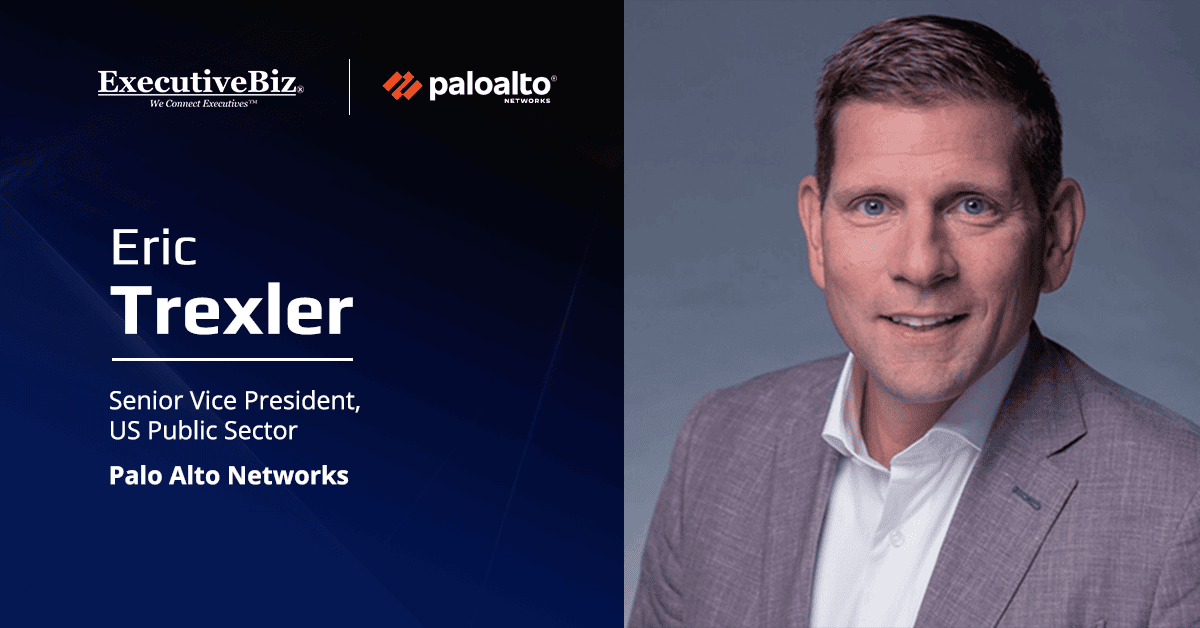
The integration of artificial intelligence in public sector missions and in nation-state adversary operations is shifting government cybersecurity trends in 2026, according to Eric Trexler, senior vice president of public sector at Palo Alto Networks.
In a blog post published Wednesday, the executive discussed the developments in public sector security amid proliferated AI use in the coming months.

Join the Integrating AI into Legacy Federal Systems: Architectural Patterns that Work panel and other insightful discussions surrounding AI, machine learning and automation at the Potomac Officers Club’s 2026 Artificial Intelligence Summit on March 18. The event will bring together AI experts from government and industry to network and to share strategies, plans and new use cases of the technology. Sign up today.
What Are the Key 2026 Trends in Securing Critical Infrastructures?
Trexler said the year will see the line between “identity” and “attack surface” collapse due to deepfakes. AI-generated voices and video can impersonate important figures in real time at an almost undetectable level. He warned that machine identities will even outnumber human identities in 2026, leading to a “broader crisis of authenticity now reshaping how enterprises defend identity itself.”
The executive also sees security operations centers, or SOCs, shift from human-centered to hybrid, with autonomous agents running detection and response missions. He warned that giving AI agents broad authority over SOCs could present risks, and agencies must place safeguards in place to monitor agent behavior. He emphasized that automation can only effectively “strengthen federal security if paired with rigorous oversight and continuous validation of agent activity.”
Additionally, he sees more instances of shared and federated SOCs to address escalating threats. The trend, he shared, will reduce redundancy and deliver insights into nation-state cyber campaigns.
Trexler also identified the transition of post-quantum cryptography, data trust and platform consolidation from long-term planning to immediate priorities and AI-native security as some of the other trends in 2026.
What Services Does Palo Alto Networks Offer?
Headquartered in Santa Clara, California, Palo Alto Networks provides AI–powered cybersecurity to public and private sector organizations worldwide.
The company recently completed its acquisition of Chronosphere, a cloud-native observability firm, to strengthen its security offerings for AI-driven digital operations.
It also provides its digital defense services to government agencies at discounted rates through a OneGov deal with the General Services Administration.