
 Miles Jamison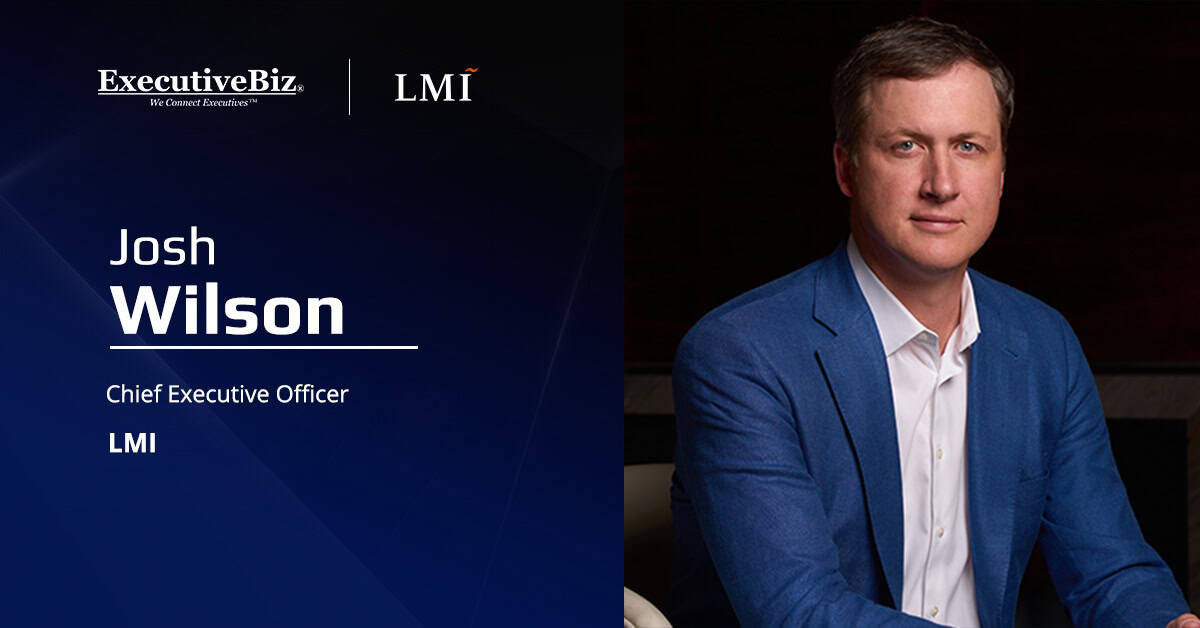
- LMI and Anduril aim to speed Army tech deployment through a new NGC2 pilot
- Ivy Sting 4 showcased rapid deployment of Secret-level cloud capabilities in weeks
- Anduril’s Lattice Mesh enabled near real-time testing and refinement of Army applications
LMI and Anduril Industries are embarking on a Rapid Development Pilot to accelerate the delivery of mission-ready capabilities for the U.S. Army’s Next Generation Command and Control, or NGC2, environment.

Sponsored by LMI, the Potomac Officers Club’s 2026 Army Summit on June 18 will bring together government and industry leaders to discuss Army modernization priorities, transformation efforts and 2030 goals. Don’t miss this opportunity to gain key insights and connect with top GovCon decision-makers. Register today.
How Will the Rapid Development Pilot Support Army NGC2 Efforts?
LMI said the three-month pilot builds on work conducted during the Army’s Ivy Sting exercises, where emerging command-and-control technologies are evaluated under operational conditions alongside active military units. The initiative will focus on developing combat-ready, soldier-centric applications that can operate within the Army’s NGC2 ecosystem.
According to LMI, the pilot is intended to speed the development, validation and deployment of emerging technologies across the Army enterprise. The effort also reflects a broader shift away from traditional program-of-record timelines toward continuous, mission-driven development cycles designed to rapidly deliver operational capabilities to warfighters.
What Did Ivy Sting Demonstrate?
During the Ivy Sting 4 exercise, LMI deployed its SHEPRD platform at Impact Level 6, the security standard for cloud systems handling Secret-level classified data. The company said the deployment was completed within weeks rather than the months typically required under conventional processes.
The accelerated deployment was enabled through collaboration among the company, Anduril and Army stakeholders using Anduril’s Lattice Mesh platform. The effort allowed applications within the NGC2 ecosystem to be deployed, evaluated and refined in near real time.
“Future conflicts will demand C2 ecosystems that can leverage hardware and software at the pace of conflict,” said Josh Wilson, LMI’s CEO. “What we’re demonstrating here is how fast capability can move when you incentivize outcomes rather than rigid delivery structures,” the 2026 Wash100 Award winner continued.