
 Miles Jamison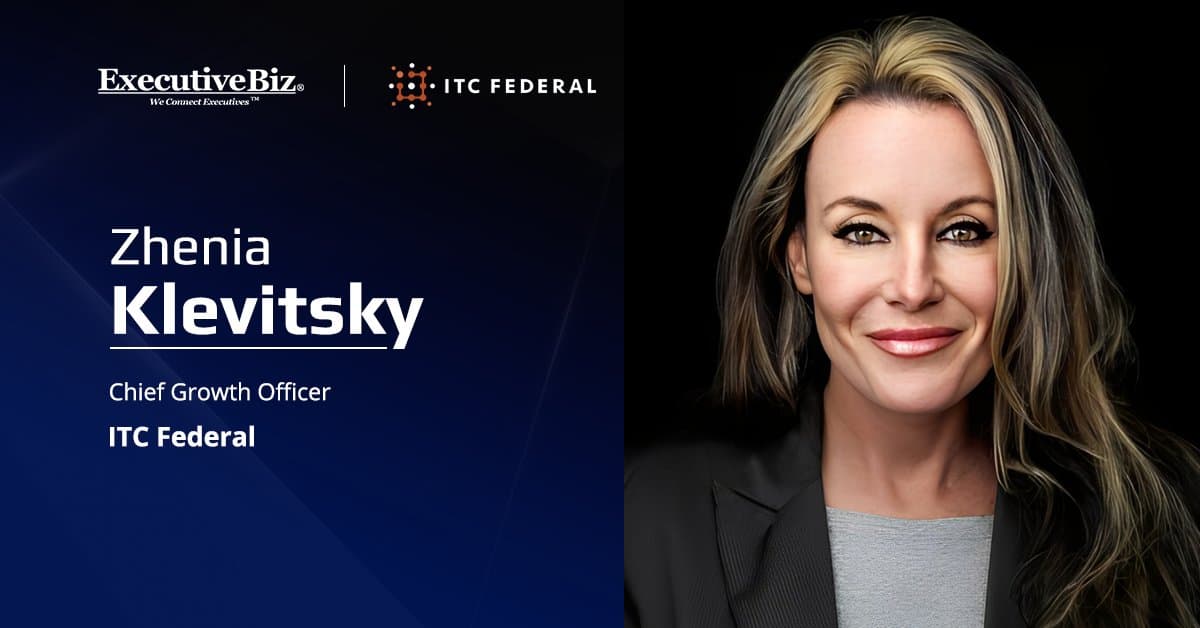
- DOW launches AI Acceleration Strategy to advance pilots to enterprise use
- Agencies urged to strengthen data-sharing, train leaders in AI literacy and build cross-functional teams
- Defense hurdles include siloed data, interoperability gaps and governance issues slowing operational use
The Department of War has released its AI Acceleration Strategy to expand artificial intelligence from pilot projects to enterprise-wide operational use.
What Does the AI Acceleration Strategy Aim to Achieve?
In an article published Thursday on Federal News Network, ITC Federal Chief Growth Officer Zhenia Klevitsky said the strategy encourages agencies to accelerate experimentation, eliminate bureaucratic barriers and expand the use of advanced AI in all mission areas. This approach, which aligns with the department’s mission to boost AI adoption, aims to shift agencies away from traditional network-centric architectures toward interoperable systems that can support decision-making at machine speed. Klevitsky said the department seeks to strengthen readiness and resilience by embedding AI into acquisition pipelines, operational planning and core workflows.
What Challenges Are Affecting AI Implementation?
Data maturity, interoperability and governance remain key challenges for defense organizations adopting AI technologies, according to Klevitsky. She also cited siloed datasets, limited real-time data access and barriers between classified and unclassified systems as ongoing issues.
The ITC Federal executive also highlighted the need for red-teaming and adversarial testing to detect risks, and for continuous model retraining and governance frameworks to maintain reliability and security in operational AI systems.
What Steps Can Agencies Take to Scale AI Adoption?
According to Klevitsky, agencies should strengthen data-sharing capabilities by implementing enterprise data fabric architectures and common standards. She also recommended early AI security accreditation during the acquisition process, AI literacy training for leadership teams and the creation of cross-functional teams composed of operators, data scientists and acquisition professionals.