
 Miles Jamison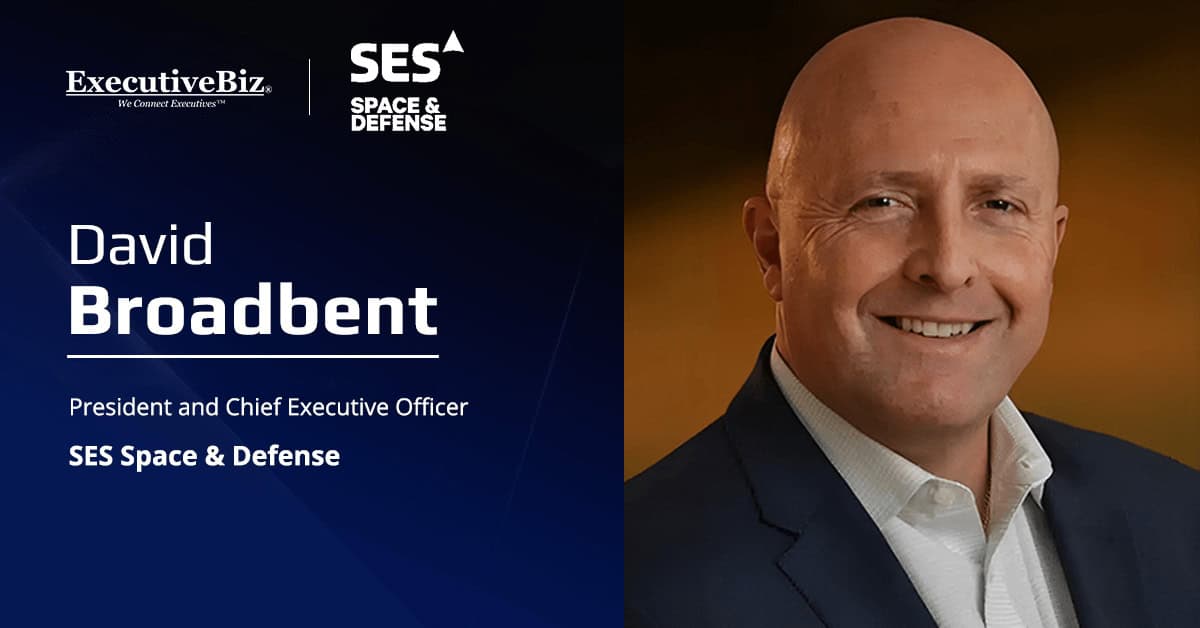
- Intelsat General Communications has secured a Space Force award supporting protected tactical satellite communications
- The SES Space & Defense subsidiary will provide space vehicles for the PTS-G program
- The contract will support a secure, anti-jam satellite constellation for contested environments
Intelsat General Communications, an operating division of SES Space & Defense, or SES SD, has secured a U.S. Space Force contract to support the Protected Tactical SATCOM-Global program, or PTS-G.
 Sponsored by SES, the Potomac Officers Club’s 2026 Air and Space Summit on July 30 will feature Samuel Sutton, director of space systems architecture at SES SD, among its lineup of speakers. Join government and industry leaders for conversations on the technologies shaping the future of air and space operations. Register now.
What Does the PTS-G Contract Cover?
SES SD said Friday it will provide space vehicles for a proliferated geosynchronous constellation designed to deliver secure, resilient and agile anti-jam communications capabilities. Under the award, the company will oversee mission execution and integrate advanced commercial technologies to address evolving Department of War requirements.
The award was issued through a competitive process under a combined $437.7 million contract vehicle awarded to Intelsat General Communications and Viasat.
What Is the PTS-G Program?
PTS-G is a Space Force program designed to provide resilient, secure satellite communications for tactical forces operating in contested environments through advanced anti-jamming capabilities such as the Protected Tactical Waveform. Astranis Space Technologies, Boeing and Northrop Grumman also secured spots on the PTS-G contract.
What Did the SES SD CEO Say About the Award?
David Broadbent, president and CEO of SES Space & Defense, said the award reflects the firm’s growth from a satellite communications provider into an integrated space capabilities company.
“With 60 years of history supporting the U.S. Government, we are proud to partner with the Space Force to deliver this critical capability for the future,” Broadbent said.