
 Miles Jamison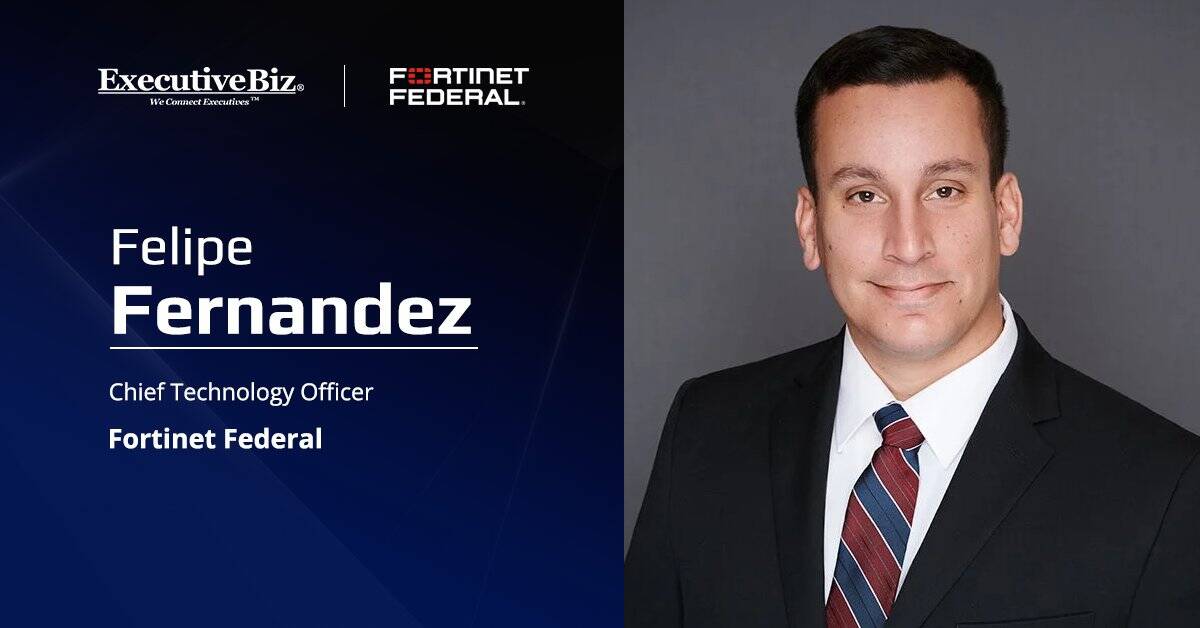
Felipe Fernandez, chief technology officer of Fortinet Federal, said federal cybersecurity in 2026 will be defined by resilience as agencies navigate rapid artificial intelligence adoption, escalating supply chain risks, workforce instability and funding uncertainty.

The Potomac Officers Club’s 2026 Cyber Summit on May 21 will bring together top government and industry leaders to confront escalating cyber threats and advance zero trust and federal cybersecurity priorities. Secure your spot today!
Fernandez said in a blog post published Thursday on Fortinet Federal that while AI is at the center of modernization, the more significant transformation is building resilience across personnel, systems architecture and partnerships amid constant disruption.
How Is AI Reshaping the Landscape?
With AI playing a key role in nearly every government operation, including cybersecurity, manufacturing, defense and critical infrastructure, the federal AI Action Plan will help shape how agencies deploy and govern these technologies.
Fernandez cautioned that AI systems must not be treated as a single capability. Each part of the platform, including models, data pipelines, workflows, code repositories and supporting infrastructure, has its own dependencies and risks, requiring careful oversight and protection.
Why Does Workforce Stability Matter?
Cybersecurity depends on skilled personnel to manage systems, interpret threats, make time-sensitive decisions and adjust defensive posture under pressure. Workforce instability, such as temporary loss of seasoned cybersecurity personnel, can delay modernization efforts and technology refresh cycles.
What Role Does Architectural Diversity Play?
Architectural diversity strengthens resilience by reducing dependence on any single platform. While consolidation can simplify management and compliance, it may create single points of failure. Agencies are encouraged to maintain flexible architectures that anticipate disruption and sustain operations even in degraded environments.
How Must Collaboration Evolve?
Fernandez called for stronger public-private collaboration, advocating for more transparent, two-way information sharing so intelligence can be applied operationally. He said providers need better visibility into agency threats, while agencies need clearer feedback on how shared data is applied.