
 Kristen Smith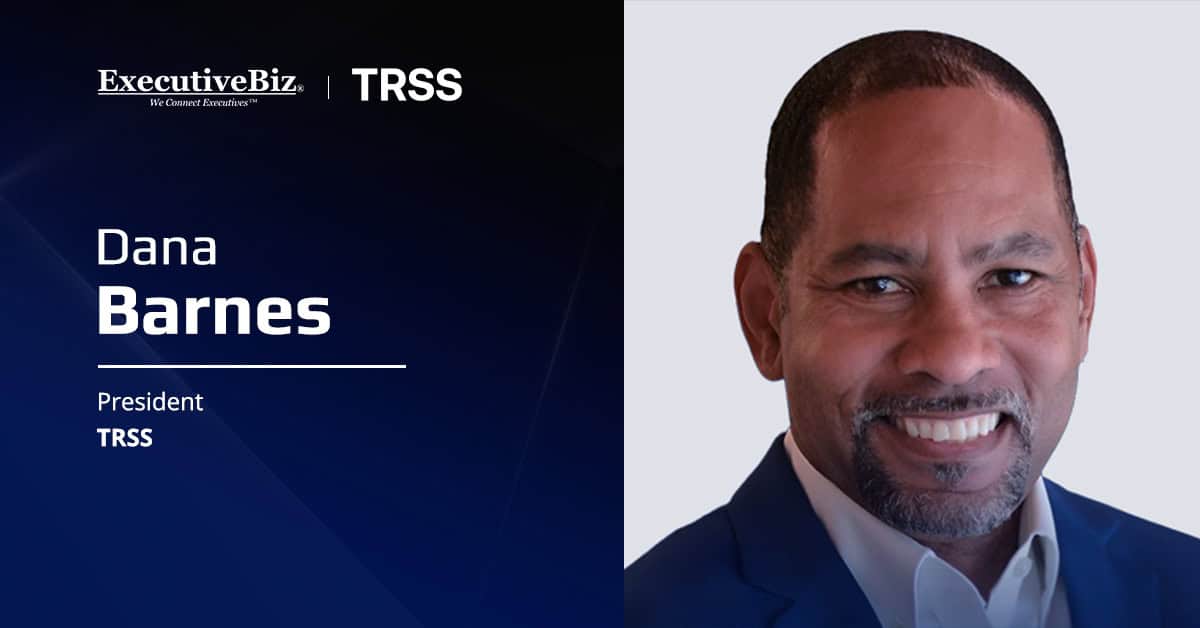
- Awards include a $125 million ICE blanket purchase agreement
- USCIS awarded a $2.8 million vetting pilot contract on a noncompetitive basis
- TRSS has identified $2 billion in financial fraud since 2020
Thomson Reuters Special Services has announced up to $127.8 million in recent federal contract awards, consisting largely of a blanket purchase agreement with Immigration and Customs Enforcement.
The company told ExecutiveBiz on Tuesday that the awards cover work in fraud detection, financial crime analysis, child exploitation investigations and public safety. They include a $125 million blanket purchase agreement with the Department of Homeland Security’s Immigration and Customs Enforcement and a $2.8 million pilot with U.S. Citizenship and Immigration Services.

Screening and vetting work increasingly draws on commercial data platforms and link analysis. The Potomac Officers Club will host the 2026 Homeland Security Summit on Nov. 10 at the Ritz-Carlton Tysons Corner in McLean, Virginia, featuring a panel on AI, entity resolution and link analysis in investigative intelligence with Secret Service CIO Chris Kraft and CBP Executive Director Baibhav Devkota. Save your seat now.
What Does the ICE Agreement Cover?
GovCon Wire reported in September that TRSS won a five-year blanket purchase agreement worth up to $125 million to provide data analytics support to ICE under a General Services Administration schedule contract. The award drew a single bidder.
The agreement followed ICE’s withdrawal of a plan to award the same work to TRSS without competition. The agency posted a request for information in May 2025 and received more than 50 responses, identifying seven small businesses and 10 large businesses as capable of the general type of work, according to a justification document. ICE later revised the requirement around proprietary capabilities and concluded that only TRSS could meet it, then updated its notice on Aug. 12 to drop the sole-source plan, citing industry feedback.
The work supports Homeland Security Investigations with screening, vetting, lead generation and criminal analysis. The withdrawn justification described continuous monitoring of up to 1 million entities, event-driven alerts, risk-scoring models, automated data ingestion and graph-based anomaly detection and cited CLEAR, the company’s investigative research platform, Biometric Update reported.
What Is the USCIS Pilot Contract?
USCIS awarded TRSS a $2.8 million purchase order for social media vetting services supporting the Fraud Detection and National Security Directorate’s Tactical Operations Division, G2Xchange reported.
The agency solicited the work in August and stated its intent to award it noncompetitively to TRSS. USCIS said market research identified companies offering social media screening, public record research, identity intelligence and investigative data support individually, but found no other vendor able to deliver the complete integrated capability within the required 30-day pilot period without substantial redevelopment or added risk. The agency noted that TRSS products CLEAR Risk Inform and CLEAR Batch, alongside Fivecast MATRIX and analyst support, meet its minimum functional requirements.
The solicitation describes batch processing of government-provided records, identity resolution using commercial and publicly available information, and correlation of publicly available online identities against those records. USCIS said contractor-provided information supports government analysis and does not constitute an adjudicative, eligibility, enforcement or adverse-action determination.
What Has TRSS Said About Its Growth?
TRSS President Dana Barnes, a four-time Wash100 Award winner, said the company’s efforts have helped identify more than $2 billion in financial fraud and have assisted in more than $3 billion in asset seizures tied to financial crimes since 2020.
Barnes took the leadership role in January, succeeding Steve Rubley. In a Spotlight interview in August, he told ExecutiveBiz that his five-year growth strategy rests on depth, partnership and people, and includes expanding the company’s presence in federal law enforcement, national security and financial crime. He cited partnerships with Socure on identity verification and the integration of Sayari Signal screening modules into TRSS platforms.