
 Miles Jamison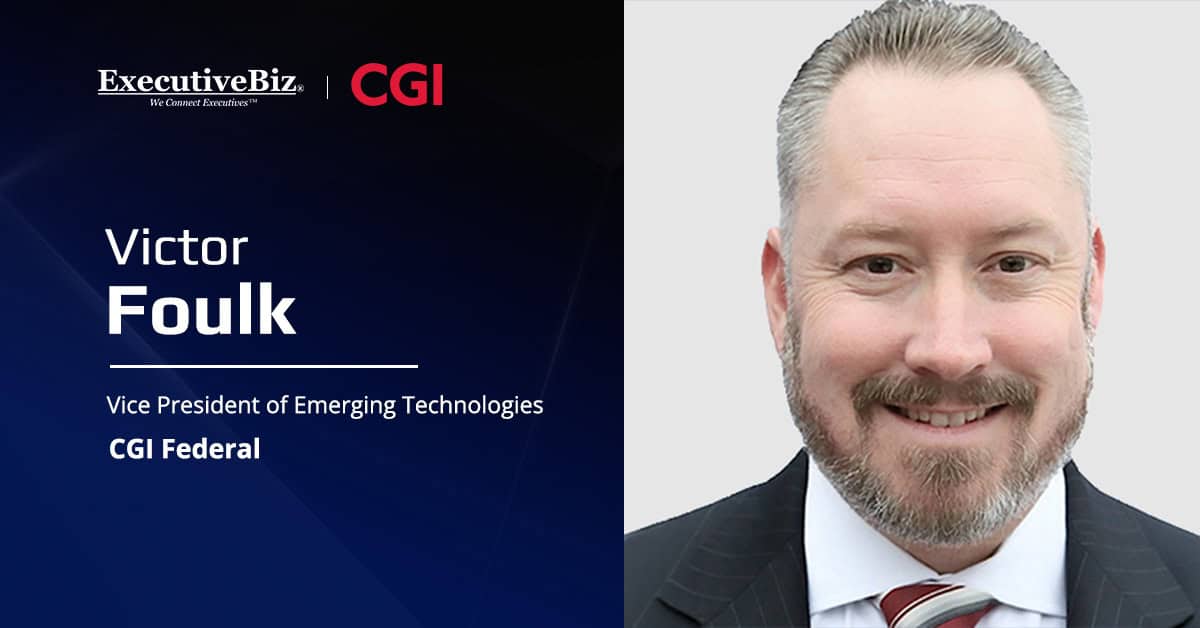
- CGI Federal executives identified three key quantum technology workstreams
- The workstreams cover post-quantum cryptography, quantum computing and quantum sensing
- PQC addresses risks posed by future quantum attacks on encrypted data
Victor Foulk, vice president of emerging technologies at CGI Federal, and Josh Sonnier, director of analytics and intelligence within the company’s emerging technologies practice, outlined three areas federal agencies should address as quantum technology moves toward commercialization.
What Are the Three Quantum Workstreams?
In a blog post published Monday, Foulk and Sonnier said the federal government’s quantum agenda encompasses three distinct areas: post-quantum cryptography, quantum computing and quantum sensing. While the technologies are related, they present different timelines, risks and potential uses for agencies.
Post-quantum cryptography, or PQC, addresses the security threat posed by future quantum computers. It uses classical cryptographic methods designed to withstand quantum attacks. Foulk and Sonnier said the issue is already relevant because adversaries can collect encrypted information today with the expectation of decrypting it later.
The federal government has already begun preparing for the security implications of quantum computing, including efforts to inventory cryptographic systems and prioritize sensitive data for migration to PQC.
Quantum computing has a different focus, using qubits, superposition and entanglement to tackle computational problems that are difficult for classical computers. Potential applications include optimization and simulation.
Quantum sensing involves using quantum phenomena to detect signals, materials and environmental conditions with high precision. The technology has potential applications in defense, intelligence, navigation and scientific research.
By separating the three areas, the executives said federal leaders can better determine which quantum-related technologies and security requirements apply to their missions.
How Can Agencies Prepare for Quantum Technology?
The executives advised agencies to identify mission-specific uses for quantum computing and sensing while preparing their organizations for post-quantum cybersecurity requirements. That preparation includes reviewing cryptographic assets, adopting crypto-agility as agencies implement the National Institute of Standards and Technology’s PQC standards and developing the governance and workforce capabilities needed to support the transition.
Foulk and Sonnier also said quantum technology is moving toward commercial availability as standards, vendor offerings and workforce capabilities continue to develop. CGI Federal is working with D-Wave and other quantum technology companies to help federal users experiment with quantum capabilities.
The latest guidance builds on Foulk’s previous commentary about how federal agencies should prepare for emerging technology-driven threats by enhancing zero trust, vulnerability management and incident response to strengthen defense against AI-driven cyberthreats.