

 Elodie Collins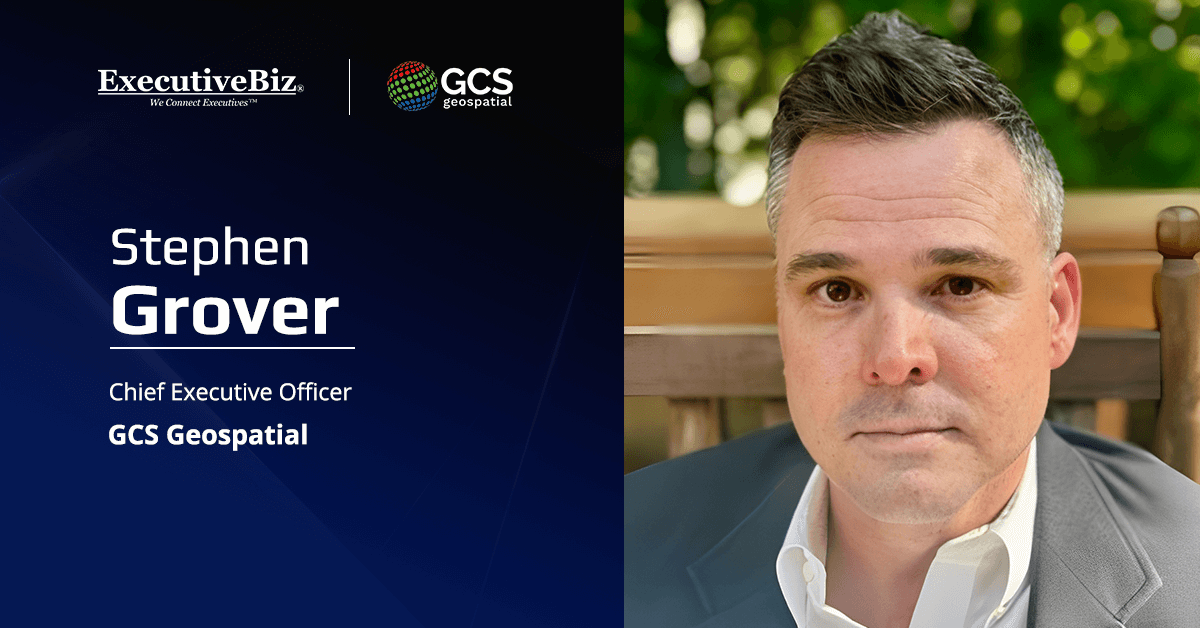
GCS Geospatial has concluded its work supporting the National Geospatial-Intelligence Agency under the Boosting Innovative Geospatial Intelligence Research broad agency announcement, or BIG-R BAA. The company said Thursday that it provided the agency with new capabilities to advance cloud-enabled 3D analytics and visibility modeling.
Work on the BAA was accomplished in partnership with point cloud data management software developer Hobu.
What New Capabilities Did GCS Deliver to NGA?
As part of the project, GCS upgraded the browser-based Eptium Electronic Light Table, or ELT, to support simultaneous analysis of multiple cloud-native 3D data formats. The team also updated its QTM Visibility plugin for Applied Imagery’s Quick Terrain Modeler to enhance line-of-sight analytics.
Additionally, GCS introduced a multi-class viewshed feature within the Geospatial Data Abstraction Library, or GDAL. The multi-class viewshed features dual-plane visibility and data-driven refinement techniques to improve precision and recall.
“Together, these accomplishments represent a major step toward more scalable, uncertainty‑aware 3D analytic workflows for NGA,” GCS CEO Stephen Grover commented. “These advancements build directly on our commitment to solving complex challenges in 3D data analysis, and they demonstrate the real, measurable impact GCS continues to make in supporting NGA’s next‑generation 3D Analytic Tools ecosystem.”
GCS carries out work under Topic 10 of the BAA, which centers on advancing, integrating and refining next-generation 3D analytic tools for mission use. The effort is part of a broader push to improve how analysts interact with complex geospatial datasets.
What Is the BIG-R BAA?
BIG-R BAA is an NGA research framework designed to accelerate innovation by using phased approaches and multiple contracting mechanisms to tap specialized expertise and reduce development risk.
The program focuses on advancing capabilities across key GEOINT domains, including foundational GEOINT for high-resolution, continuously updated earth data; advanced phenomenologies for the development and delivery of spatially, spectrally and temporally resolved data from traditional and non-traditional sources; and analytic technologies that apply new techniques and data sources to address emerging mission challenges.