
 Jane Edwards
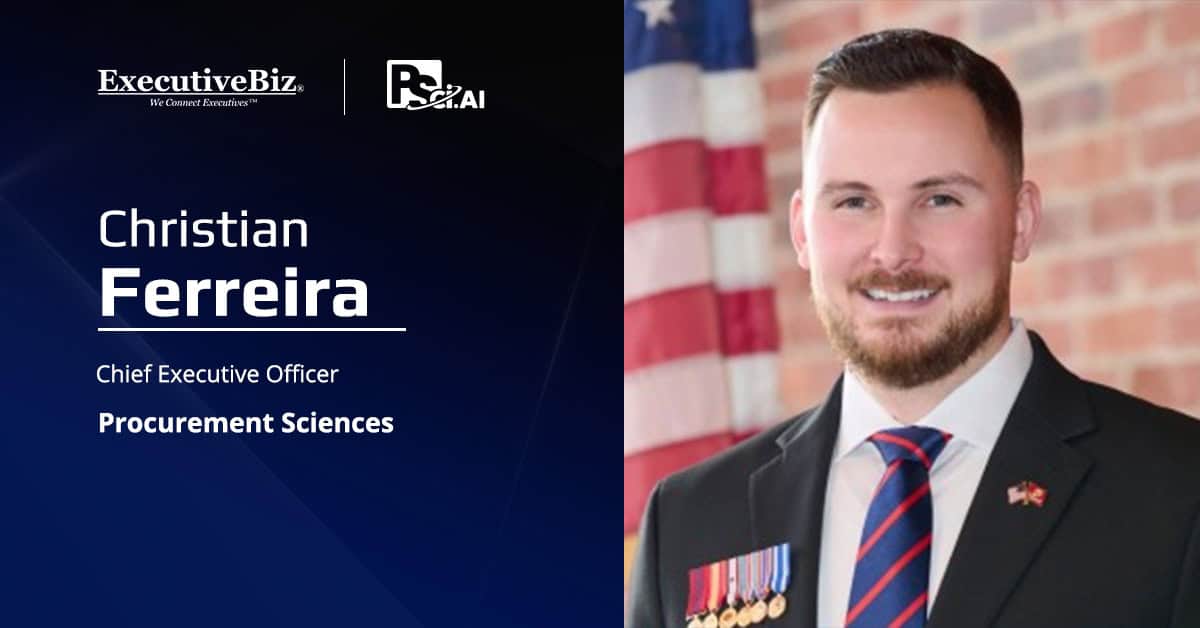
Mike McCalip, vice president for government programs and strategy at Carahsoft Technology, highlighted five key insights from the Armed Forces Communications and Electronics Association, or AFCEA, West 2026 conference, that underscore how the U.S. Navy and the U.S. Marine Corps are reshaping readiness, force design and information dominance to maintain maritime superiority.

As discussions across the defense community continue to focus on evolving naval priorities, these takeaways offer timely context for the broader conversation. Save your seat for the Potomac Officers Club’s 2026 Navy Summit on Aug. 27, and join government and industry leaders as they discuss the future of naval modernization and operational advantage.
What Does the Navy’s 80% Combat Surge Readiness Target Aim to Achieve?
In a blog post published Monday, McCalip described the 80 percent combat surge readiness benchmark as a central resiliency metric intended to ensure the Navy can sustain peacetime operations while maintaining the capacity to surge in the event of conflict.
“This combat surge readiness target represents more than a numerical goal; it reflects a fundamental shift in how the Navy approaches fleet generation,” he wrote. “The foundry concept places Sailors first, recognizing that the most important weapon system remains the individual Sailor or Marine and their ingenuity, toughness and capabilities. Training must focus on developing mastery and self-sustainment rather than simply checking qualification boxes – we must train like we’re going to fight.”
McCalip noted that achieving the targeted readiness level requires addressing infrastructure considerations, including maintenance and sustainment capacity, as well as improving supply chain effectiveness.
How Do Information Warfare & AI Support Decision Advantage in Maritime Operations?
The Carahsoft executive pointed to information warfare as a key enabler of decision advantage in contested environments, noting that Navy leaders emphasized the importance of maintaining operational tempo and acting faster than adversaries. He added that maritime operations centers are evolving into multidomain fusion hubs designed to support battlespace awareness, integrated fires and assured command and control.
In the post, McCalip highlighted artificial intelligence as an emerging tool for managing large volumes of operational data, describing it as a “battle partner” designed to help commanders evaluate information, make faster decisions and act more quickly.
How Is Force Design Modernization Reshaping Marine Corps Operations?
McCalip said Marine Corps force design modernization reflects a fundamental reassessment of how formations are structured and employed in contested environments. He pointed to the development of Marine Littoral Regiments and Marine Expeditionary Units as examples of more dispersed, mobile and lower-signature forces intended to complicate adversary targeting and strengthen overall naval integration.
He noted that force design continues to evolve through experimentation and wargaming, with adjustments to infantry formations and the incorporation of small unmanned aerial systems and other emerging technologies.
What Did McCalip Say About Distributed Maritime Operations & Industry Partnerships?
McCalip highlighted distributed maritime operations as a framework for deeper Navy-Marine Corps integration to address anti-access and area denial threats. He noted that integrating dispersed Marine formations with fleet operations, including coordination between a Marine Expeditionary Force and Third Fleet, reflects efforts to expand operational flexibility and create additional challenges for potential adversaries.
He also pointed to accelerated collaboration between government and industry as a factor in delivering new capabilities more quickly to operational forces. He cited examples from recent operations where software updates and system improvements were deployed on compressed timelines, as well as the establishment of the Naval Rapid Capabilities Office to support rapid prototyping, testing and fielding of select systems.