
 Jamie Bennet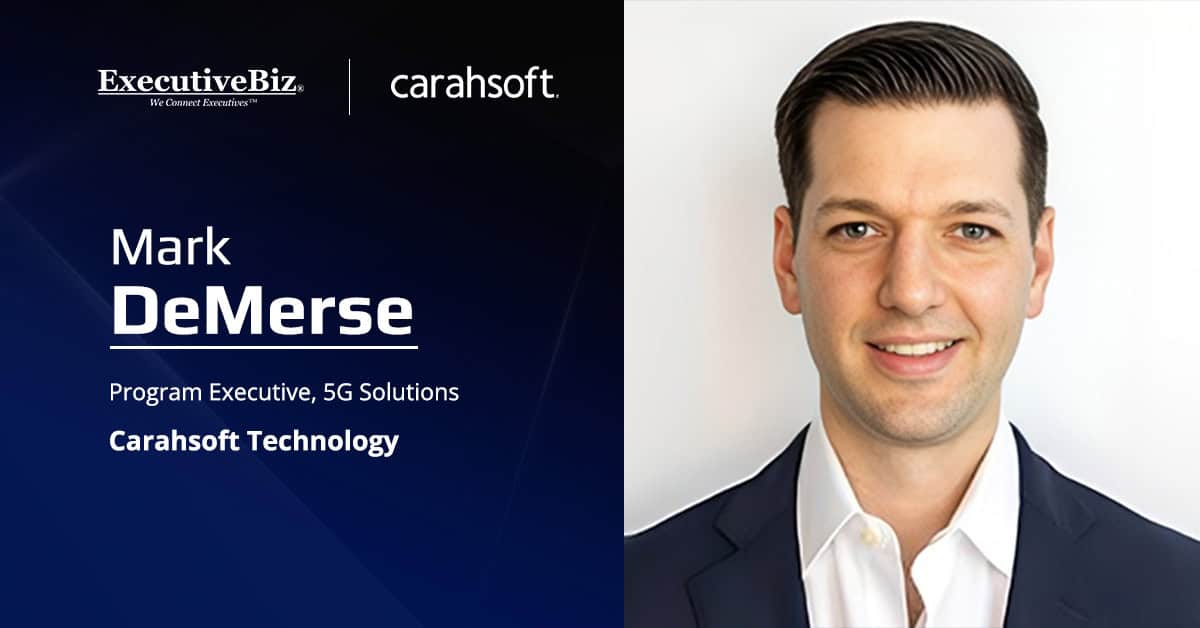
- Carahsoft and ZeroTier have entered into an agreement to distribute the ZeroTier Quantum platform through Carahsoft’s public sector reseller network
- The platform will also be available through the NASA Solutions for Enterprise-Wide Procurement V contract
- ZeroTier Quantum uses post-quantum cryptography and quantum-resistant encryption to ensure network security
Carahsoft announced Thursday that it has entered into a strategic partnership with ZeroTier to widen public sector access to its software-defined networking platform, including a quantum-secure offering called ZeroTier Quantum.
Under the agreement, Carahsoft will distribute ZeroTier’s technology through its reseller network and the NASA Solutions for Enterprise-Wide Procurement V contract.
“ZeroTier Quantum delivers a flexible, software-defined approach that enables organizations to modernize secure connectivity without disrupting existing infrastructure,” said Mark DeMerse, program executive for 5G solutions at Carahsoft. “Together with our reseller partners, Carahsoft and ZeroTier are helping Government agencies accelerate network modernization, enhance cyber resilience and simplify the transition to post-quantum security with faster deployment and reduced complexity.”
What Is ZeroTier?
ZeroTier is a secure networking company founded by Adam Ierymenko. It secured early funding from Anorak, followed by a Series A round backed by Anorak Ventures, Bonfire Ventures and Battery Ventures. In 2024, ZeroTier named Andrew Gault as chief executive officer while Ierymenko moved into the chief technology officer role and Robert Stevenson joined as chief commercial officer. The company is currently working toward post-quantum secure networking as part of its next phase of growth.
What Is ZeroTier Quantum?
ZeroTier Quantum combines post-quantum cryptographic security with deterministic networking, blending hybrid classical and quantum-resistant encryption with a distributed control-plane architecture. Networking is managed through command-line tools and APIs, giving operators direct control over how networks are configured and how they behave, with all settings distributed as cryptographically signed objects that each node enforces locally. The platform also emphasizes secure configuration distribution alongside advanced observability and auditability features, positioning it as infrastructure built for organizations that need both strong security guarantees and predictable network performance as quantum computing continues to reshape the security landscape.