
 Elodie Collins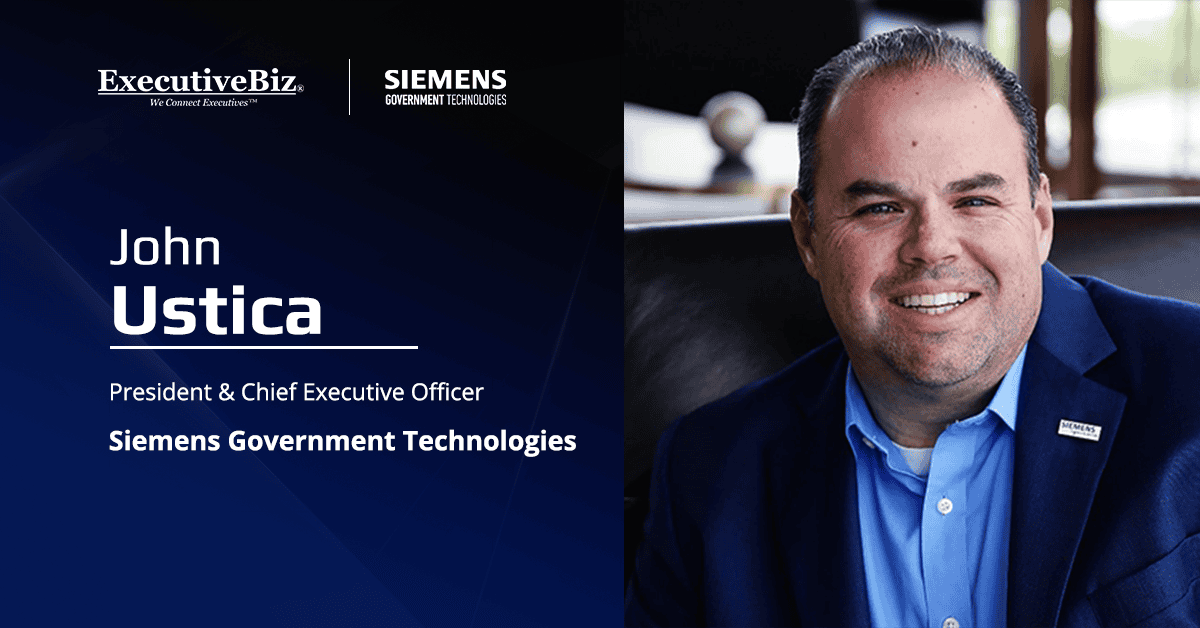
John Ustica, president and CEO of Siemens Government Technologies and a three-time Wash100 Award winner, said remuneration would enable the military to deliver critical equipment to warfighters on demand while protecting intellectual property.
How Can Remuneration Deliver Vital Equipment to Warfighters?
In an opinion piece posted on Breaking Defense Friday, Ustica compared remuneration to video streaming, wherein viewers get access to a movie and retain viewing rights for a specified number of days. With remuneration, he said the military will only be authorized to manufacture IP-protected items in the field for a pre-determined period while contractors continue to get compensated.

Explore the innovative capabilities strengthening American warfighters at the Potomac Officers Club’s 2026 Defense R&D Summit on Jan. 29. Engage with top decision-makers from across the Department of War and industry at this critical event. Secure your tickets here.
The process addresses concerns over private contractors losing their IP to enable additive manufacturing of critical military equipment and parts in contested environments, the official said.
In fact, according to Ustica, the military is already testing a platform that supports IP protection through end-to-end encryption.
He also pointed to the concept of drip IP, which refers to manufacturers streaming individual lines of code to manufacturing devices. Because each line of code is automatically deleted after use, the contractor can maintain control of their IP.
How Will Remuneration Address Obsolescence Challenges?
Ustica also suggested remuneration to help solve the problem of equipment obsolescence, or when a manufacturer stops making parts for legacy systems. Through remuneration, the Pentagon can continue using an equipment for decades by printing parts and pay contractors a licensing or royalty fee.
Ustica on Modernizing the OIB
Ustica has previously spoken about challenges related to the military supply chain in a previous interview with GovCon Wire. He told the site that organic industrial base, which plays a key role in the military’s readiness and the nation’s security, requires to undergo a digital transformation to ensure that it can respond to mobilizations and emergencies.
He shared that Siemens Government Technologies’ work with the National Center for Manufacturing Sciences in the Navy’s Shipyard Infrastructure Optimization program utilized industrial digital twin to speed up the delivery of vital fleet capabilities.