

 Miles Jamison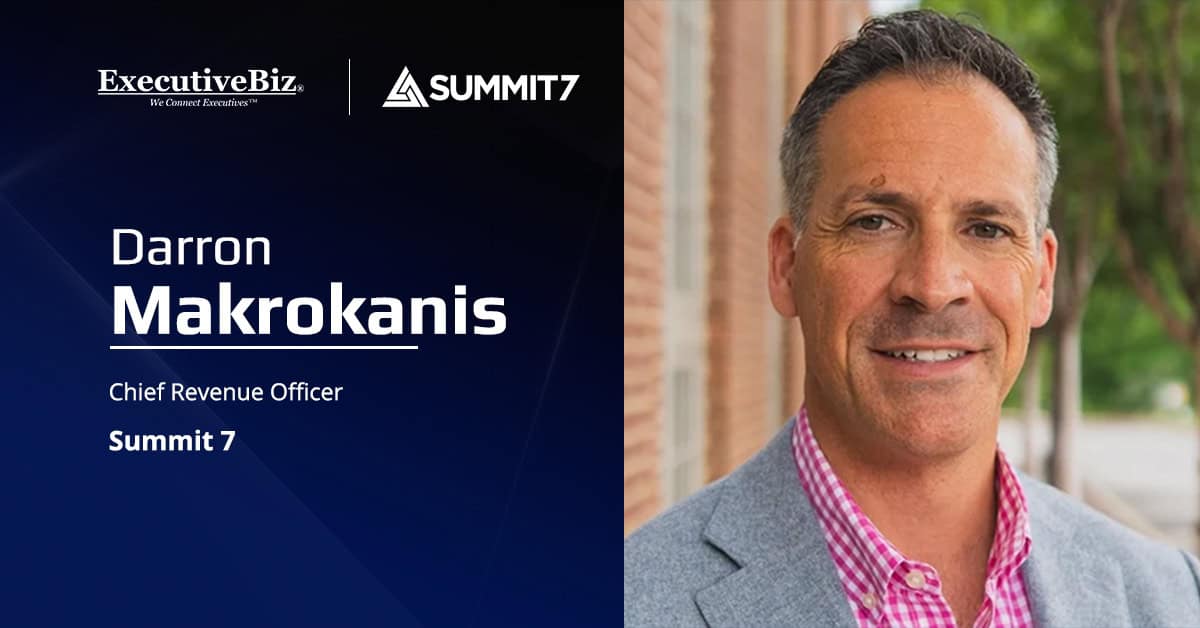
- Darron Makrokanis points to water utility attacks as a warning for defense contractors
- The Summit 7 CRO warned that smaller defense firms face risks from basic security weaknesses and limited resources
- He said that AI is helping cyber actors conduct reconnaissance and attacks at greater speed
Darron Makrokanis, chief revenue officer at Summit 7, said recent cyberattacks targeting U.S. water utilities offer lessons for defense contractors, particularly smaller companies in the defense industrial base.
What Cybersecurity Risks Should Defense Contractors Watch?
Small and midsized defense contractors face many of the same cybersecurity gaps as under-resourced water utilities, Makrokanis wrote in a commentary published Friday on Real Clear Defense. Limited security staff, thinner budgets and less developed security programs leave both types of organizations exposed, he wrote, noting that attackers tend to focus on targets with fewer defenses in place.
Makrokanis also pointed to basic security weaknesses involved in recent breaches, including vulnerable internet-facing devices, exposed remote access services, weak credentials and aging hardware still in use. He recommended that defense companies consistently apply foundational security controls rather than assume sophisticated threats always require sophisticated defenses.
Makrokanis previously warned that DIB organizations should not underestimate cyber actors based on the sophistication of their tactics, noting that lower-skill campaigns can still have significant disruptive effects. He has also called for perimeter hardening and internal resilience, including stronger authentication, network segmentation and secure backups.
How Are Cyberattacks Changing?
Makrokanis said automation and artificial intelligence are changing the scale and speed of cyberattacks by enabling threat actors to conduct reconnaissance, vulnerability scanning and credential harvesting against more potential targets.
He also said defense contractors should consider operational technology security because cyber risks can extend beyond data theft and espionage to operational disruption. This includes manufacturing equipment, robotics, testing environments, production lines and logistics infrastructure that support defense operations.
What Should Defense Contractors Do?
Makrokanis said organizations should not wait for definitive attribution before responding to suspicious activity because threat actors can use techniques designed to conceal their identities.
He also said cyber operations can serve geopolitical objectives, with adversaries targeting organizations because of their activities and broader national security significance.