
 Miles Jamison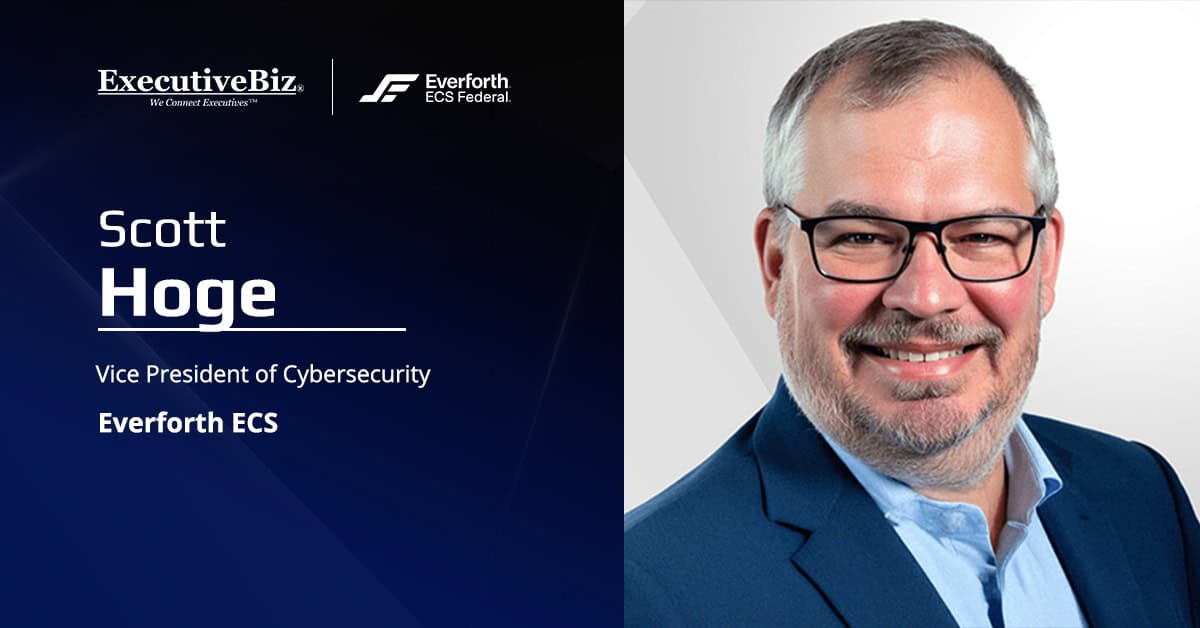
- Everforth ECS is calling attention to foundational technologies that could be overshadowed by the AI boom
- Scott Hoge has highlighted platform engineering as a way to reduce developer burden and speed mission delivery
- The company has warned agencies to prepare for future quantum threats targeting encrypted data
Everforth ECS is urging government and industry leaders to prioritize platform engineering, post-quantum cryptography and mission-centric digital twins alongside artificial intelligence initiatives to strengthen mission resilience in 2026.
In an article published on the company’s website, Scott Hoge, vice president of cybersecurity at Everforth ECS, argued that the growing emphasis on generative AI and large language models risks overshadowing foundational technologies that support mission delivery and system resilience.
Why Is Platform Engineering Gaining Attention?
Hoge said organizations have pushed developers to manage coding, security, infrastructure and compliance under “shift left” software development approaches. Platform engineering aims to reduce that burden through internal developer platforms that productize infrastructure, standardize security controls, automate policy enforcement and enable self-service development environments. He added that embedding security controls and compliance requirements into reusable templates can accelerate mission delivery timelines and reduce engineers’ cognitive load.
Why Is Post-Quantum Cryptography Becoming a Priority?
Hoge warned that organizations face growing risks from “harvest now, decrypt later” strategies in which nation-state actors collect encrypted data in anticipation of future advances in quantum computing. He said the National Institute of Standards and Technology’s work on post-quantum cryptography standards is pushing agencies and contractors to evaluate where encryption technologies are deployed across enterprise systems. The transition will require cryptographic agility so organizations can update encryption algorithms without rebuilding entire systems.
How Are Digital Twins Evolving?
Hoge said digital twins are evolving from static 3D models into dynamic simulations capable of testing mission systems against adversarial AI attacks, electronic jamming and kinetic threats before deployment. He noted that digital twins can help agencies validate mission systems in virtual environments before procurement, reducing operational risk and enhancing resilience planning.
Hoge’s focus on resilient infrastructure and adaptive security models aligns with Everforth ECS’s broader cybersecurity strategy. Earlier this year, he outlined the company’s “invisible zero trust” approach, which emphasizes continuous risk assessment and infrastructure-driven security controls designed to reduce operational friction while strengthening mission resilience.